
USMLE Step 1 & Step 2 CK preparation

The Gold Standard for USMLE Preparation.

Prepare for Step 1 and Step 2 CK with exam-style questions, detailed explanations covering every option, comprehensive Medical Notes, flashcards, and personalised performance insights.

4,000+
clinical questions
2,000+
built on images
8,000+
pages of notes
35,000+
flashcards
usmle.mednotes.in/dashboard/practice
  • Neurology
  • Cardiovascular
  • Respiratory
  • Renal
  • Gastrointestinal
  • Hematology
  • Microbiology
  • Dermatology
  • Biochemistry
  • Psychiatry
  • Musculoskeletal
  • Reproductive
  • Pediatrics
  • Ophthalmology
  • Pharmacology
  • Radiology

USMLE question bank

Learn from every answer, right or wrong

  • 3,907 clinical questions across 35 subjects
  • 2,042 built on radiographs, slides, ECGs and clinical photos
  • The reasoning for the right answer, and why each other option fails
  • Cross out options, flag doubts and bookmark questions for later
  • Filter by subject or topic, or by what you have not seen yet

Every answer you give is saved, so your next block can target exactly the questions you missed.

usmle.mednotes.in/dashboard/practice
Medicine (image-based) Question 7 of 20

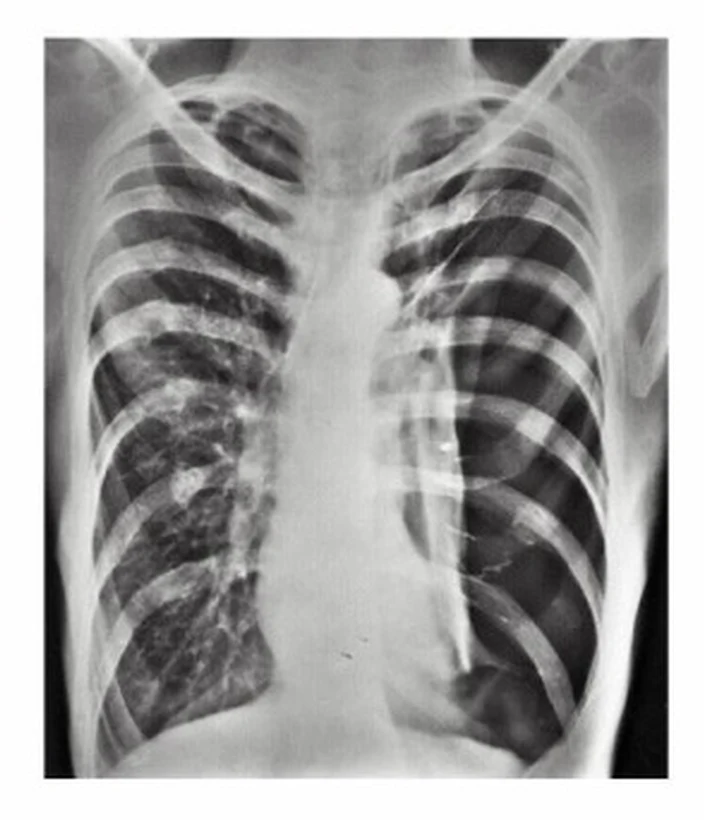
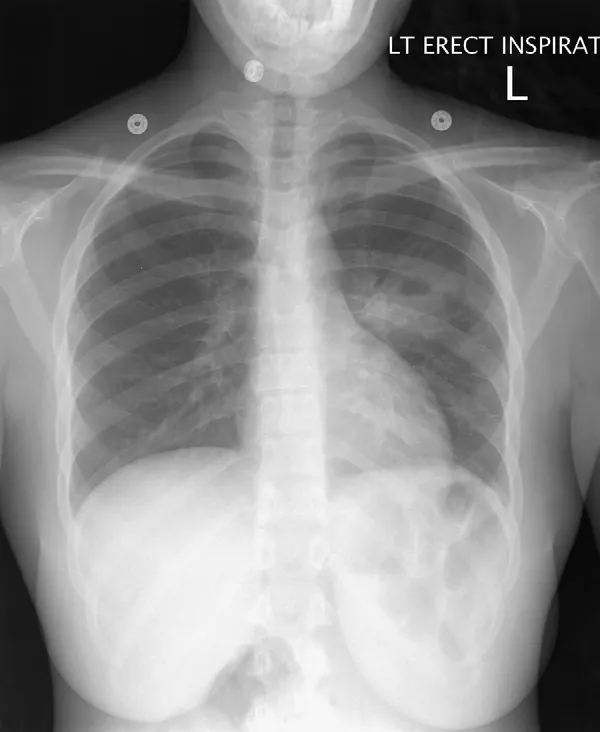
An 18-year-old woman presents to the emergency department complaining of chest discomfort. On physical examination, she is mildly tachypneic. Her past medical history is significant for a seizure disorder. Her chest x-ray shows a 6-cm masslike structure in the left lung with central cavitation and an air-fluid level. What is the most likely diagnosis?

Chest x-ray of a young woman
  • AFungal pneumonia
  • BSquamous cell carcinoma of the lung
  • CLung abscess
  • DPulmonary embolus
  • EWegener granulomatosis
CorrectAll
Try again

Correct. The answer is C.

Key takeaway

A cavitary lung lesion with an air-fluid level in a patient at risk for aspiration is a lung abscess until proven otherwise.

Sample question from the bank, with its real answer review. All 3,907 questions have one.

USMLE practice tests

Sit a block, then see exactly what went wrong

  • Timed or untimed blocks of up to 60 questions from any filter
  • Exam mode hides the answers until you submit; practice mode shows them as you go
  • A full review: time per question, subject breakdown and what to do next
  • Retry only the questions you missed, in one click
  • A dashboard with your streak, daily goal, accuracy trend and weak areas

Scores are worked out on our servers from the answer key, so a block always means what it says.

Notes, flashcards and illustrations

Read, drill and revisit without leaving the page

  • A reader you scroll like a book, with marked pages, that remembers where you stopped
  • 34,919 flashcards that schedule themselves with spaced repetition
  • 849 labelled anatomy illustrations to test yourself on
  • 1,000 Tables and 2,018 Gems for fast revision before a block

Open the note that matches a weak subject, then go straight back to the questions.

Peer-reviewed by the MedNotes team of physicians

Knowledge Hub: 1,550 chapters of clinical mastery, open to read today.

The definitive clinical library for the USMLE. Every disease, symptom approach, drug class and investigation, authored for the way you actually revise and reviewed line by line by practising physicians, with key takeaways, comparison tables and management algorithms. Step inside and read any article end to end, on us.

  • 3 complete articles free every single day, no account needed
  • 25 body systems, from concise summaries to in-depth masterclasses
  • Physician-vetted key takeaways for a high-yield review in seconds
  • Follow related topics with one tap, like a living textbook
usmle.mednotes.in/knowledge/myocardial-infarction

Medical Notes

Every answer, one tap from the right note.

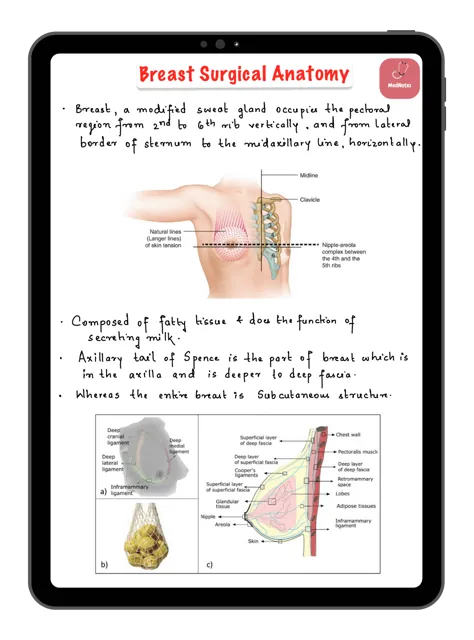
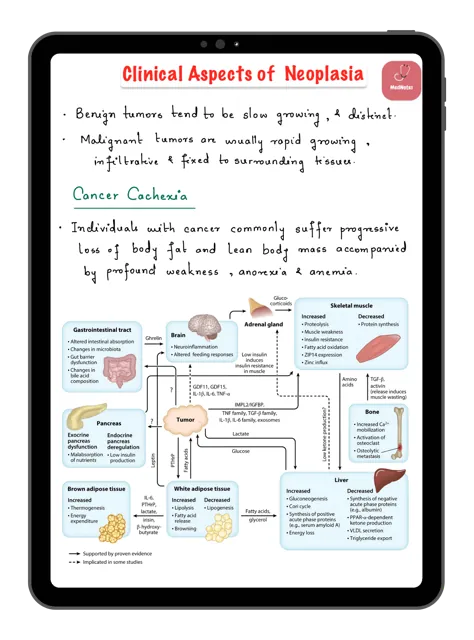
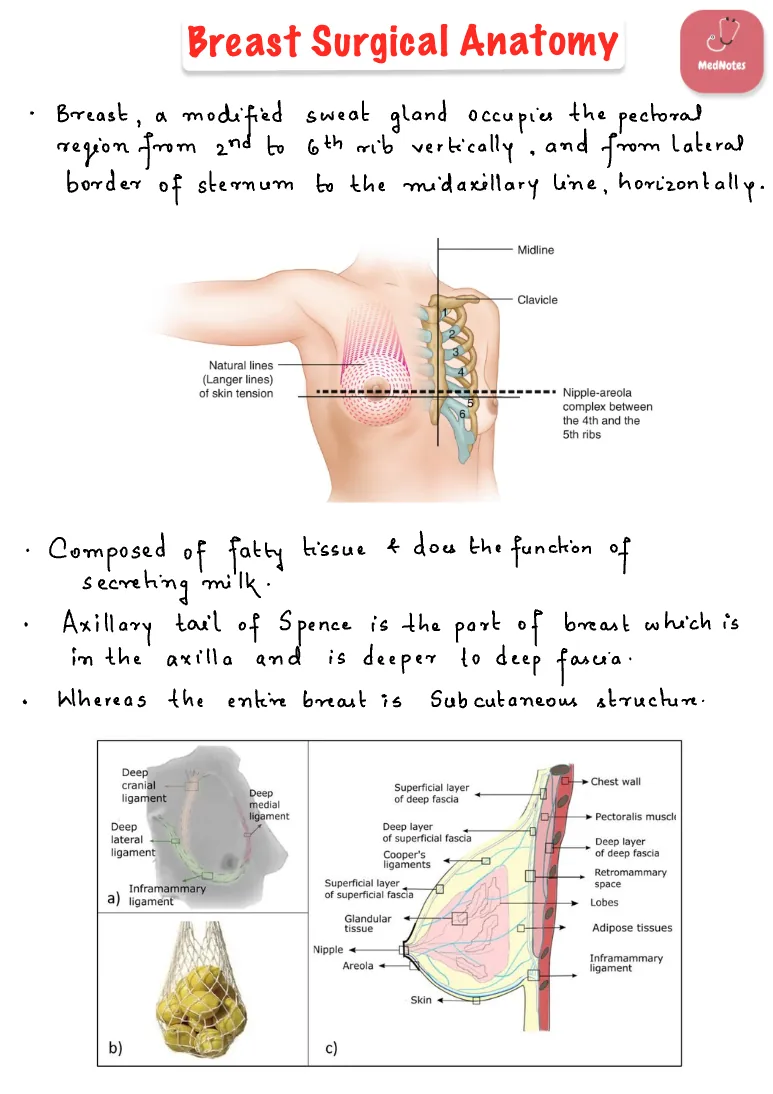
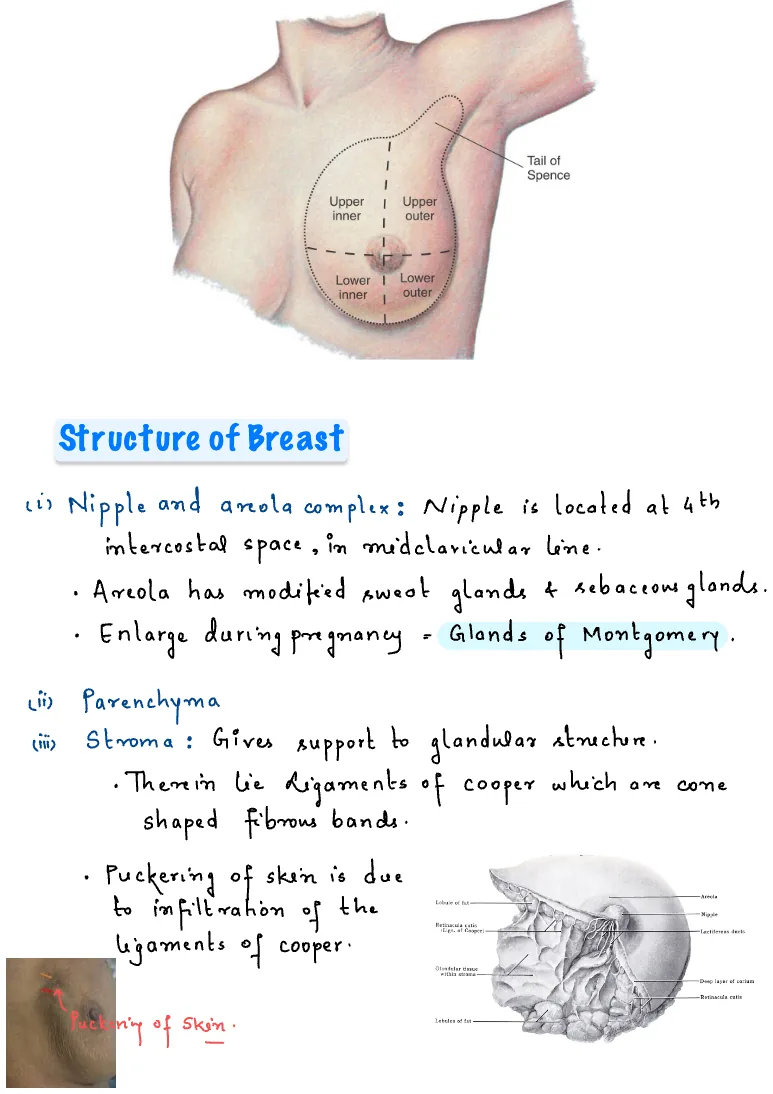
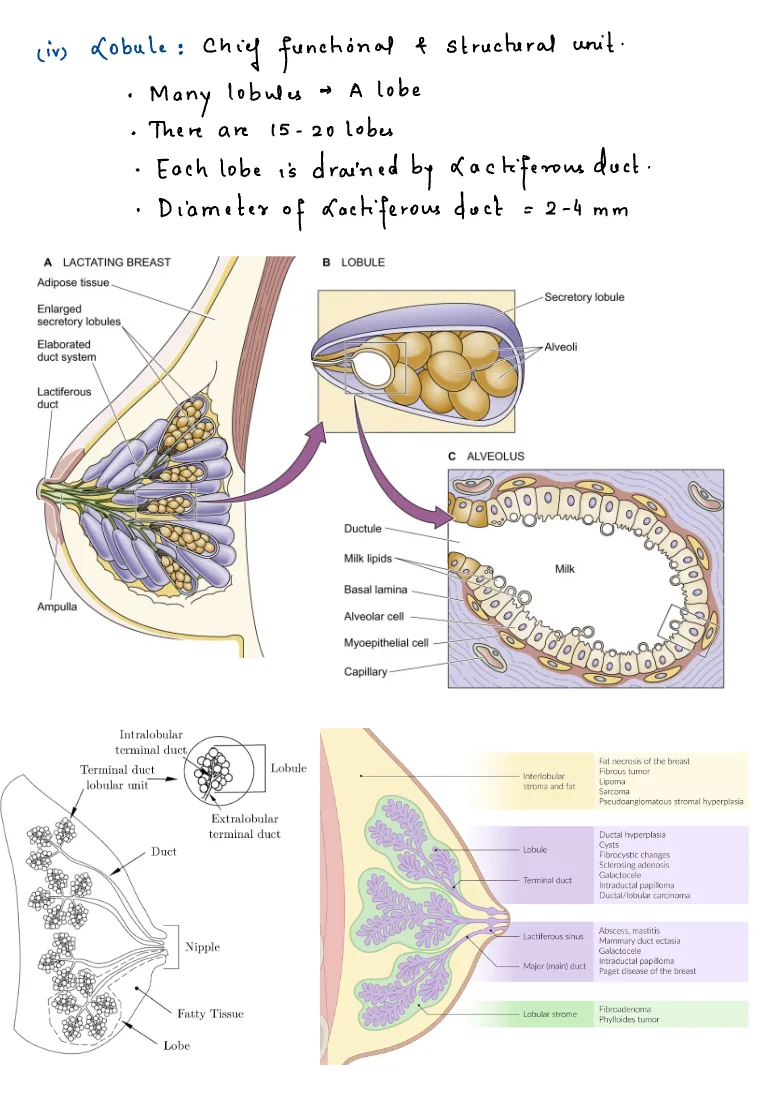
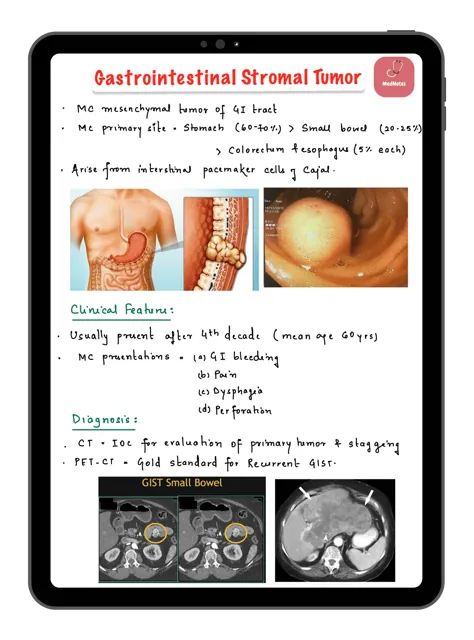
Solve a question, then open the note behind it: clear, colour-coded pages and the real radiology, pathology and endoscopy images, laid out for fast revision the night before the exam.

  • 7,816 pages in 1,235 notes across 23 subjects
  • 1000s of clinical images
  • Open the matching note straight after a question, then go back to the questions
  • Marked pages and a reader that remembers where you stopped

Subjects

A bank you can see into

35 subjects and 1858 topics, from image-heavy dermatology and pathology to the core organ systems. Pick a subject to see how big it is.

Dermatology

Image-based cases for rashes, lesions and skin cancers.

460

questions

Questions by subject

Counts from the current bank

Dermatology
460
Pathology
374
Medicine
243
Microbiology
193
Hematology-Oncology
170
Gastrointestinal
158
Pharmacology
155
Cardiovascular
145
Renal
125
Radiology
122
Biochemistry
116
Neurology
113
Reproductive
112
Respiratory
112

Plus 20 more subjects (977 questions) and 7 mixed test blocks (332 questions).

What you receive

Read it. Test it. Revise it.

Notes, questions, flashcards, illustrations, Gems and Tables, all in one account for a single payment.

Notes

7,816pages

The complete MedNotes collection: 1,235 notes across 23 subjects. Scroll through them like a book and mark the pages you want to find again.

MCQs

3,907questions

2,042 built on images, each with a full explanation. Practise by subject or in a timed block.

Flashcards

34,919cards

Decks that schedule themselves with spaced repetition, so what you learn stays learned.

Illustrations

849plates

Labelled anatomy plates. Look, name the structure, then check yourself.

Gems

2,018gems

Short, high yield facts for the day before a block.

Tables

1,000tables

Drugs, bugs and syndromes compared side by side, so the differences are on one screen when you revise.

Reviews

What students say

Built for the boards

Made for medical students and graduates preparing for USMLE Step 1 and Step 2 CK.

A smiling doctor in a white coat with a stethoscope, standing in a hospital corridor

Student review

“One thing I really appreciate is how much content is available. The written notes are useful when I want a proper revision session, while the Knowledge Hub articles are great when I need to understand a particular topic. The anatomy reveal plates are also a nice touch. I didn't expect to find so many different learning tools in one place.”

Dr. Emily Carter

USMLE Step 1: Pass · Preparing for Step 2 CK

A surgeon in scrubs operating under theatre lights, with monitors behind
“I initially came for the interactive cases, but ended up exploring the rest of the platform too. The cases are genuinely fun to work through because you have to think about the diagnosis rather than just pick an answer. I also really like the Knowledge Hub. Having so many medical topics and articles in one place is super convenient when I want to quickly revise something.”
Dr. Ananya Sharma · USMLE Step 1: Pass · Preparing for Step 2 CK
“I've used AMBOSS and a few other resources during my preparation, and I think this platform brings something different to the table. The interactive cases are my favourite part because you actually have to work through the clinical findings. I also use the flashcards for quick revision. It's nice having different ways to study without constantly switching between websites.”
Dr. Rahul Mehta
USMLE Step 1: 254 · Step 2 CK Candidate

Pricing

One purchase. Everything included.

Notes, MCQs, flashcards, illustrations, Gems and Tables together, with lifetime access to what you buy.

Launch offerSave $100 on lifetime access $149 $249

Full access

$149

$249 · one-time payment, no subscription

Create account to enrol

Secure checkout by Stripe, or Razorpay with UPI in India. See the refund policy.

The MedNotes Ultimate Collection

Everything includedNotes, MCQs, flashcards, illustrations, Gems and Tables, in one purchase.

  • Notes: 7,816 pages in 1,235 notes across 23 subjects
  • 3,907 MCQs with detailed explanations, 2,042 built on images
  • 1,550 Knowledge Hub articles: concise to in-depth clinical reviews across 25 body systems
  • 34,919 flashcards that schedule themselves with spaced repetition
  • 849 labelled anatomy illustrations to test yourself on
  • 2,018 Gems and 1,000 Tables for quick revision
  • Timed practice and exam-mode tests, with results by subject
  • Marked pages, saved questions and one-click revision of missed questions
  • Analytics that flag your weak subjects

See the difference

Not all question banks are built the same

Your question bank is one of the biggest choices in your prep. Here is what you get with us, next to what is typical elsewhere.

  • Pricing

    Pay onceOne payment, no renewals. The platform is yours until you are a Resident.

    Monthly or time-limitedSubscriptions that expire, often before your exam date, so you pay again to extend.

  • Answer explanations

    Reasoning for every optionWhy the right answer is right, why the others fail, and a key takeaway to remember.

    VariesMany explain only the correct answer, not the full differential.

  • Images

    2,042 image-based questionsRadiographs, histology slides, ECGs and clinical photos, all zoomable.

    Mostly textFewer real clinical images, and visuals that sit apart from the question.

  • Notes and library

    Included7,816 pages of Medical Notes and 1,550 physician-reviewed Knowledge Hub articles.

    Sold separatelyReview books, notes and libraries bought or hosted somewhere else.

  • Revision tools

    Built in34,919 spaced-repetition flashcards, 849 anatomy plates, 2,018 Gems and 1,000 Tables.

    FragmentedFlashcards and quick-review sheets usually live in separate apps or decks.

  • Practice and review

    Exam and practice modesTimed blocks of up to 60 questions, a full review with time per question, and one-click retry of what you missed.

    BasicA score at the end, with little help deciding what to study next.

  • Progress

    Weak areas flaggedYour streak, daily goal, accuracy trend and weakest subjects, on one dashboard.

    Limited insightOverall percentages without a clear next step.

FAQ

Common questions

One purchase gives you the whole platform:

  • 3,907 exam-style MCQs with explanations, 2,042 of them built on images
  • 7,816 pages of Medical Notes in 1,235 notes across 23 subjects
  • 1,550 Knowledge Hub articles across 25 body systems
  • 34,919 flashcards that schedule themselves with spaced repetition
  • 849 labelled anatomy illustrations, 2,018 Gems and 1,000 Tables
  • Timed and untimed tests, a full review after every block, and analytics that flag your weak subjects

Yes. The bank spans 35 subjects and 1,858 topics, from the basic sciences Step 1 leans on to the clinical subjects at the heart of Step 2 CK.

Use it for Step 1 in your preclinical years, then keep going with the same account into Step 2 CK. Your history, bookmarks and weak areas come with you.

35 subjects, including Anatomy, Physiology, Biochemistry, Pathology, Pharmacology, Microbiology, Immunology, Genetics, Embryology, Behavioral Science and Biostatistics, plus every organ system, Medicine, Surgery, Pediatrics, Obstetrics & Gynecology and Psychiatry.

Each subject is broken into topics, so you can build a block as broad as a whole system or as narrow as a single topic.

Free decks, videos and review books are good for content review, but they mostly help you remember facts. Step 1 and Step 2 CK test whether you can apply those facts to a patient you have never seen.

Here you practise exactly that on clinical vignettes, and everything you need to close a gap sits in the same place: the explanation, the matching Medical Note, the Knowledge Hub article and the flashcards. No switching between tabs, decks and PDFs.

Questions are written as clinical vignettes in the style of the exam: a patient, the findings, often an image, and one best answer. 2,042 of them are built on radiographs, histology slides, ECGs and clinical photos, because the real exam leans on images too.

Exam mode runs a timer and hides the answers until you submit, so a block feels like test day.

Every question explains why the right answer is right and ends with a key takeaway worth remembering. Most also explain why each wrong option is wrong, so you learn the whole differential, not just one fact.

Images in explanations open full size, and the matching Medical Note is one tap away when a topic needs more than a paragraph.

Yes, 2,042 of them: radiographs, histology slides, ECGs and clinical photos, all zoomable.

Yes. Build a block of up to 60 questions from any subject or topic, and choose all questions, unseen, incorrect or bookmarked ones.

  • Exam mode hides the answers until you submit, like test day
  • Practice mode shows the answer and explanation as soon as you choose
  • 7 ready-made mixed blocks (332 questions) let you rehearse a full spread of subjects

After each block you get a full review: time per question, results by subject, and one-click retry of everything you missed.

Aim for one full pass of the bank, then a second pass of everything you got wrong.

  • During coursework, 10 to 20 questions a day in practice mode completes a full pass of 3,907 questions in roughly 7 to 13 months
  • In dedicated study, move to full timed blocks and use the Incorrect filter for your second pass

The goal is not to finish questions but to learn from them. Read the explanation for every question you miss or guess.

Yes, and it works best that way. Use practice mode alongside your coursework to see the answer and explanation straight away, then switch to timed exam-mode blocks during dedicated study.

There is no automatic study planner. Set a daily question goal in your settings and the dashboard keeps you on it with your streak, accuracy trend and weakest subjects, so you always know what to do today.

Watch your trend, not a single block. You are on track when:

  • Your accuracy on timed, mixed blocks keeps rising
  • The weakest subjects on your dashboard keep improving
  • You can say why each wrong option is wrong, not just pick the right one

Our blocks are built for learning, not score prediction. For a predicted score, take the official NBME self-assessments as your exam approaches.

No. You can filter by subject, topic and status (unseen, incorrect or bookmarked). High-yield topics turn up at every level of difficulty, so working through the full bank leaves you with fewer gaps.

It covers what most students need in one place: 3,907 exam-style questions, the full Medical Notes, 1,550 Knowledge Hub articles, flashcards and analytics. It does not include video lectures.

Yes. Build blocks from only your weakest subjects or your incorrect questions, retry everything you missed in one click, and open the matching Medical Notes and Knowledge Hub articles to rebuild those topics from the ground up.

Pay once, with no subscription and nothing to renew. The platform stays yours through Step 1, Step 2 CK and on until you are a Resident.

Yes. Everything works in the browser on your phone, tablet or laptop, and there is an iOS app too.

Yes. Read 3 complete Knowledge Hub articles free every day, no account needed, and try the sample question at the top of this page.

Email admin@mednotes.in with your username and purchase details and we will help. The refund policy has the full details.

Step 1 & Step 2 CK

Start your next block today.

Create your account and unlock the notes, the question bank, flashcards, illustrations, Gems and Tables.

3,907
questions
1,550
articles
34,919
flashcards
Get full access